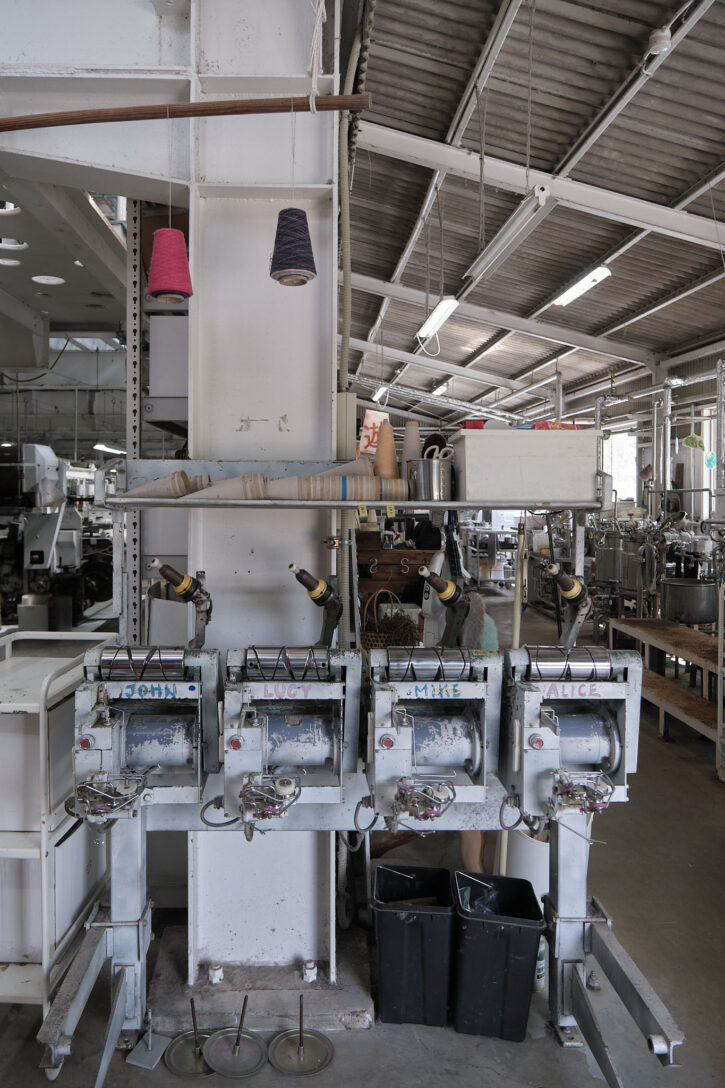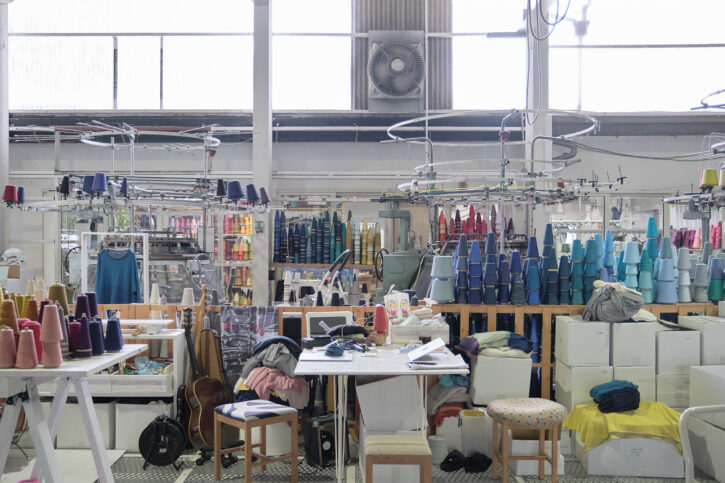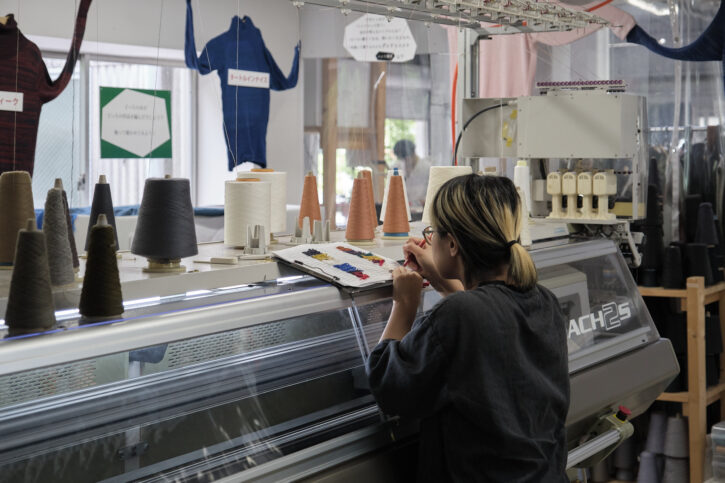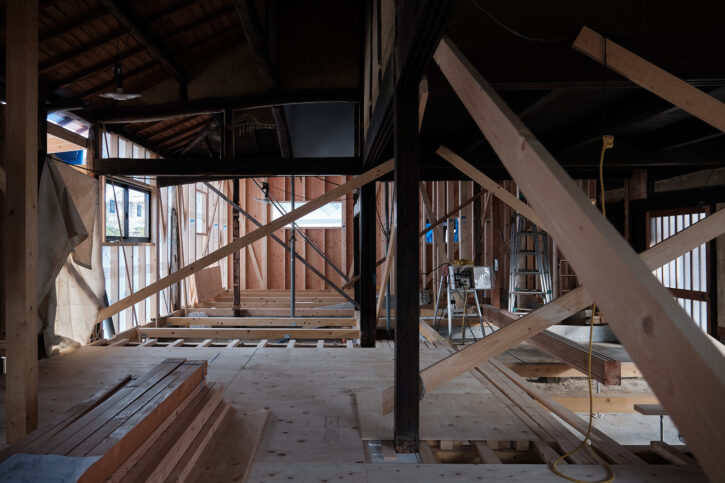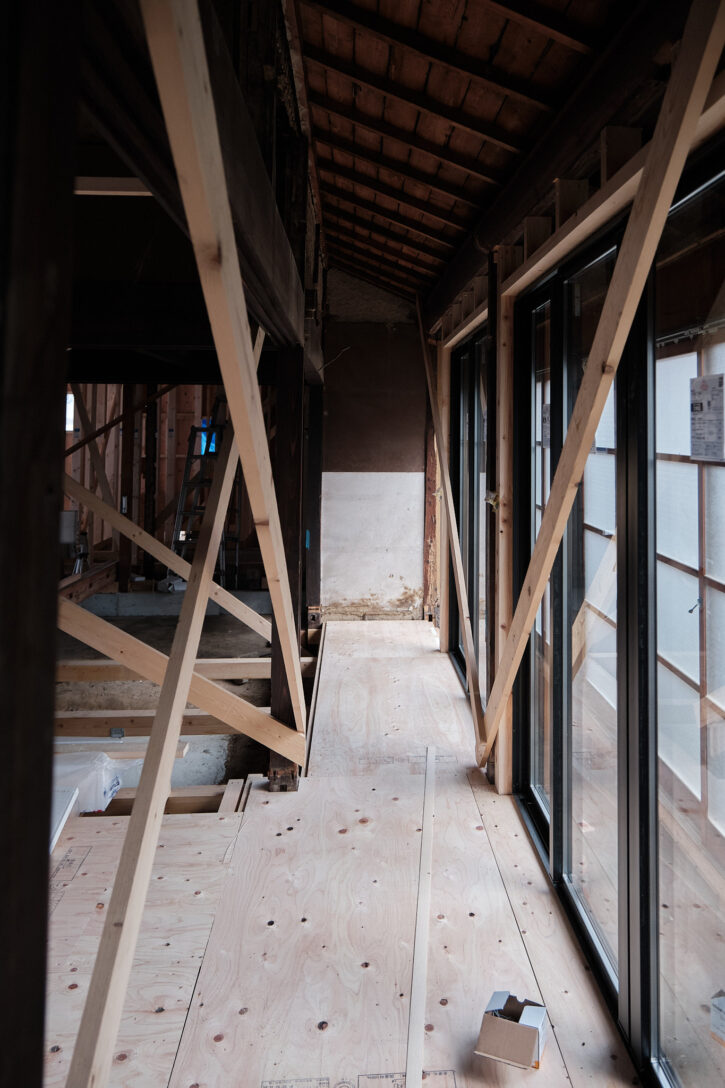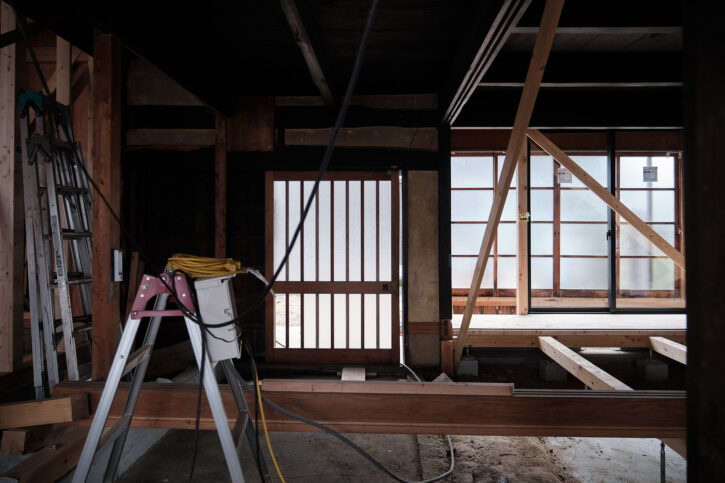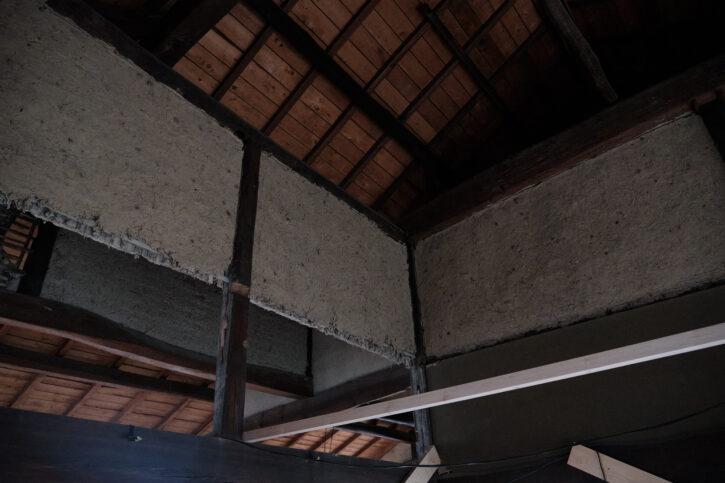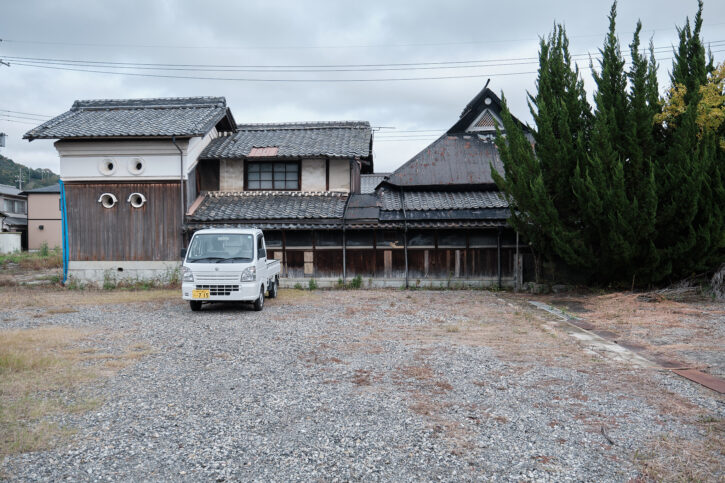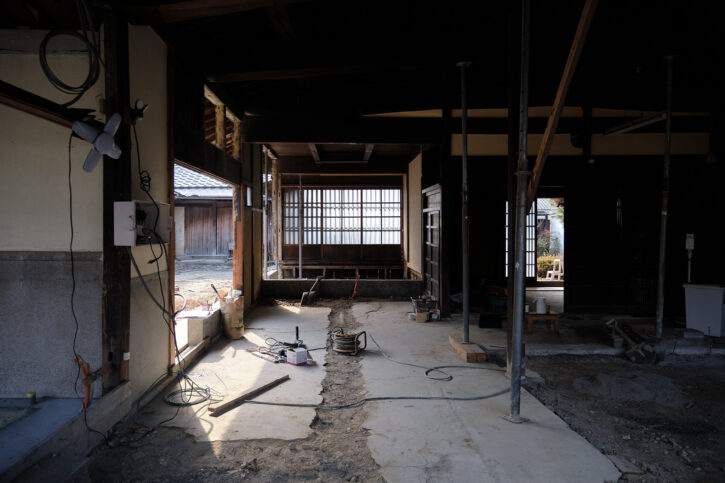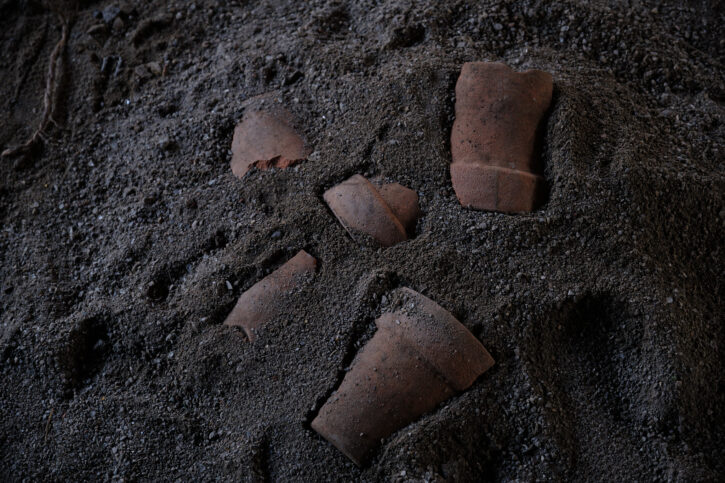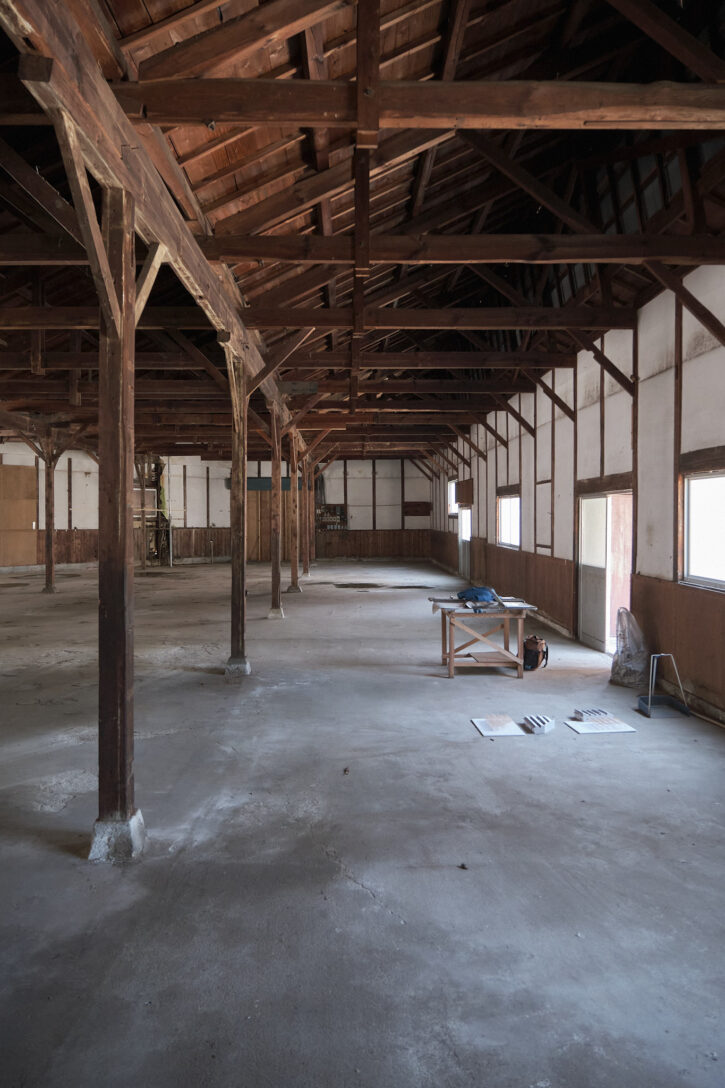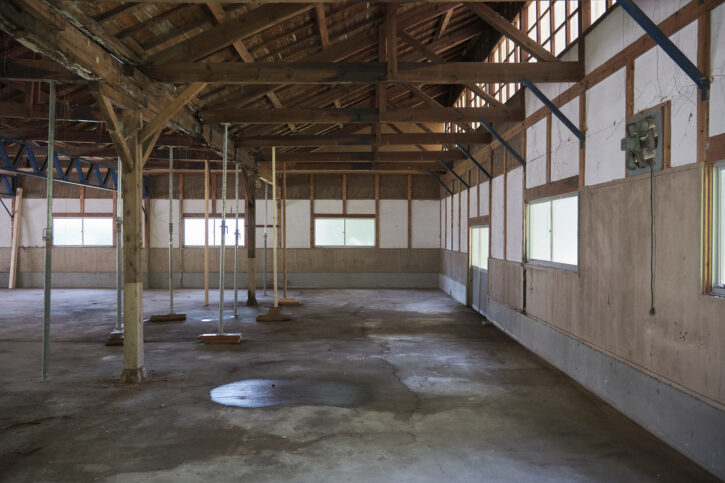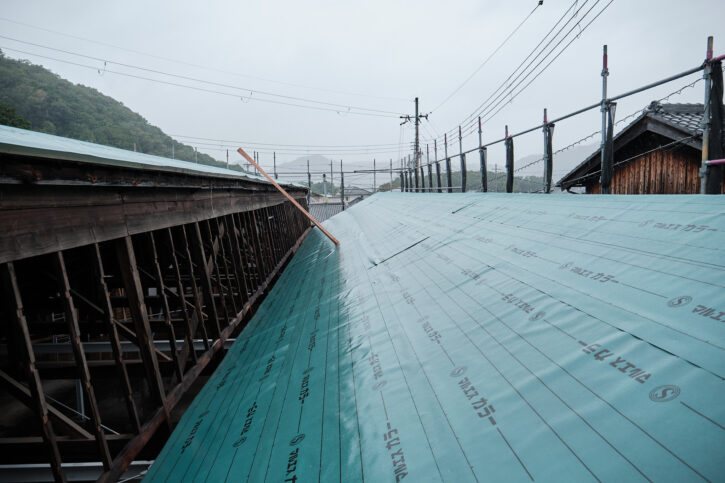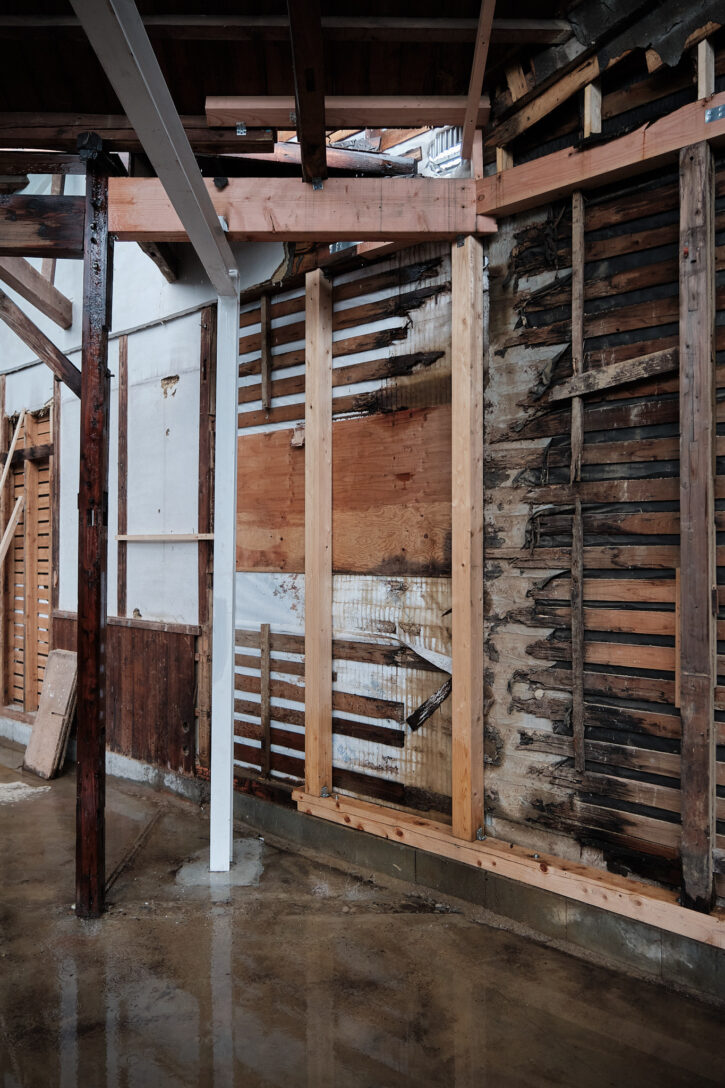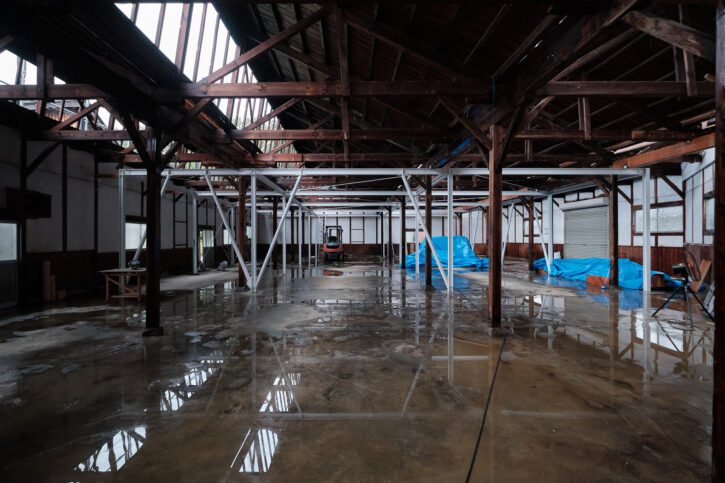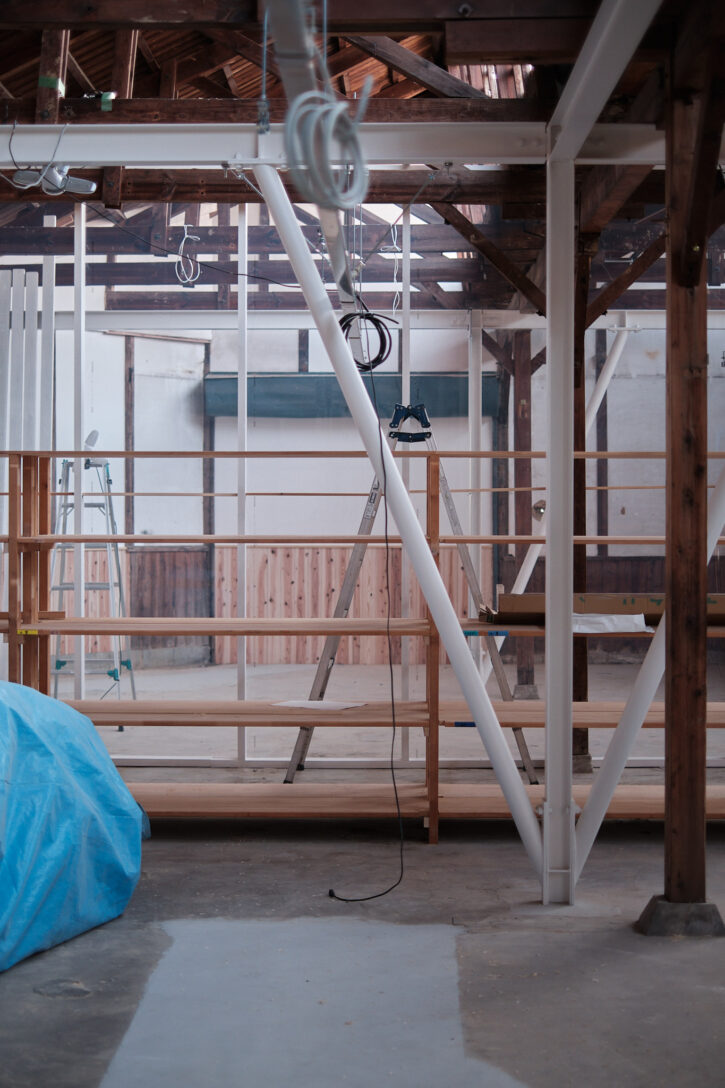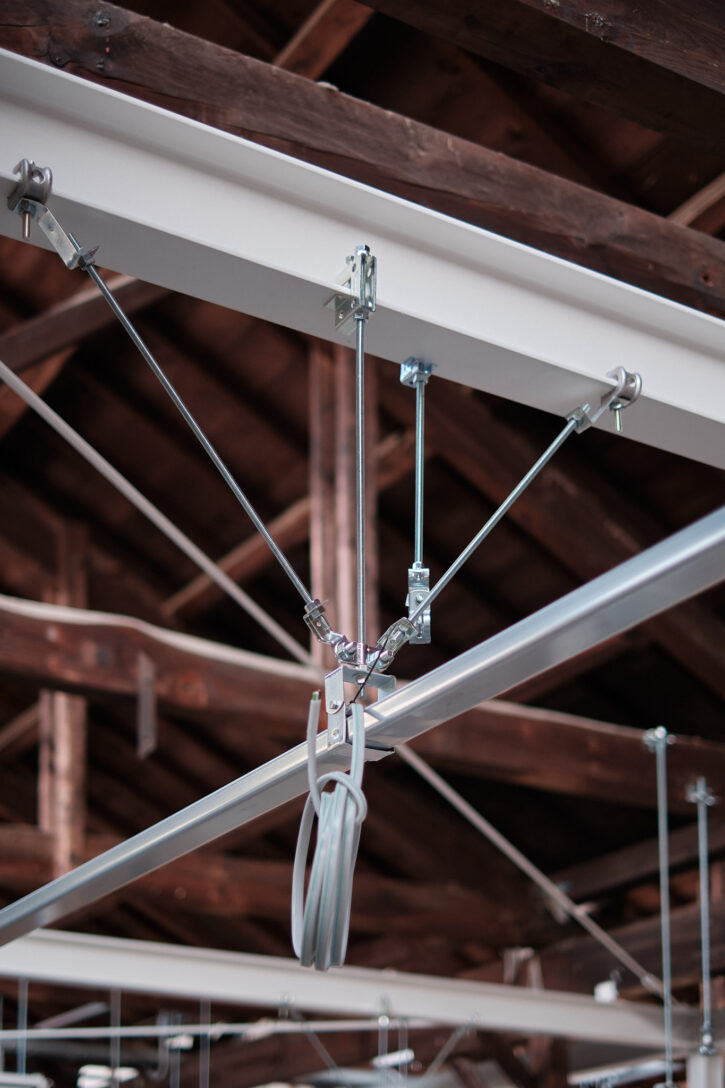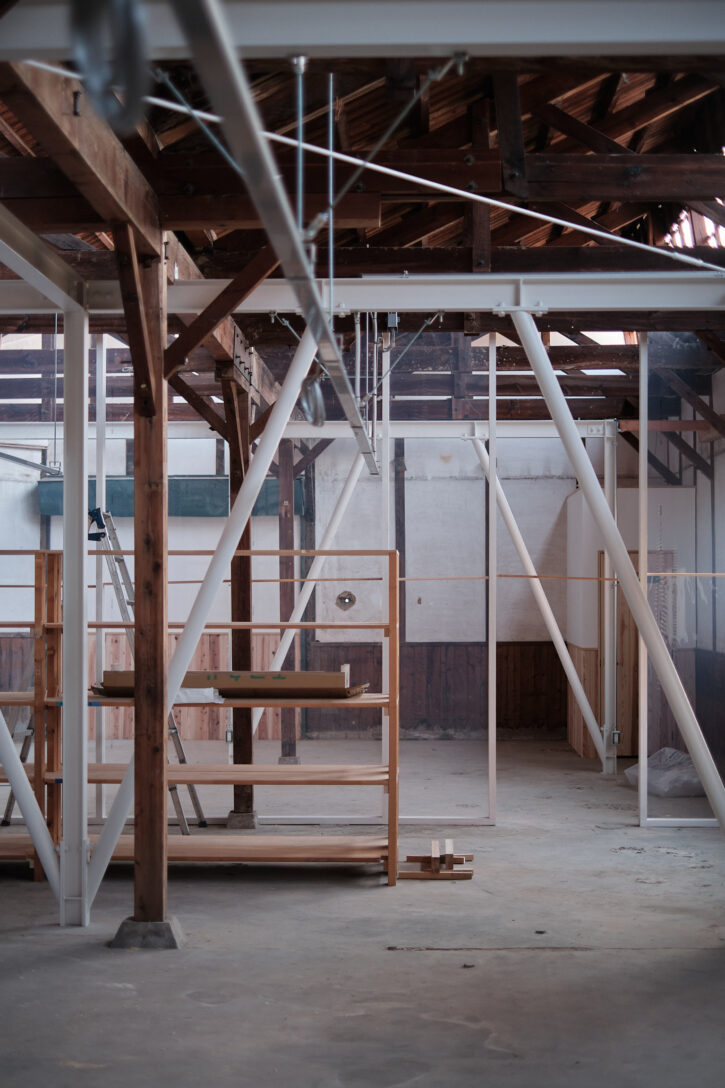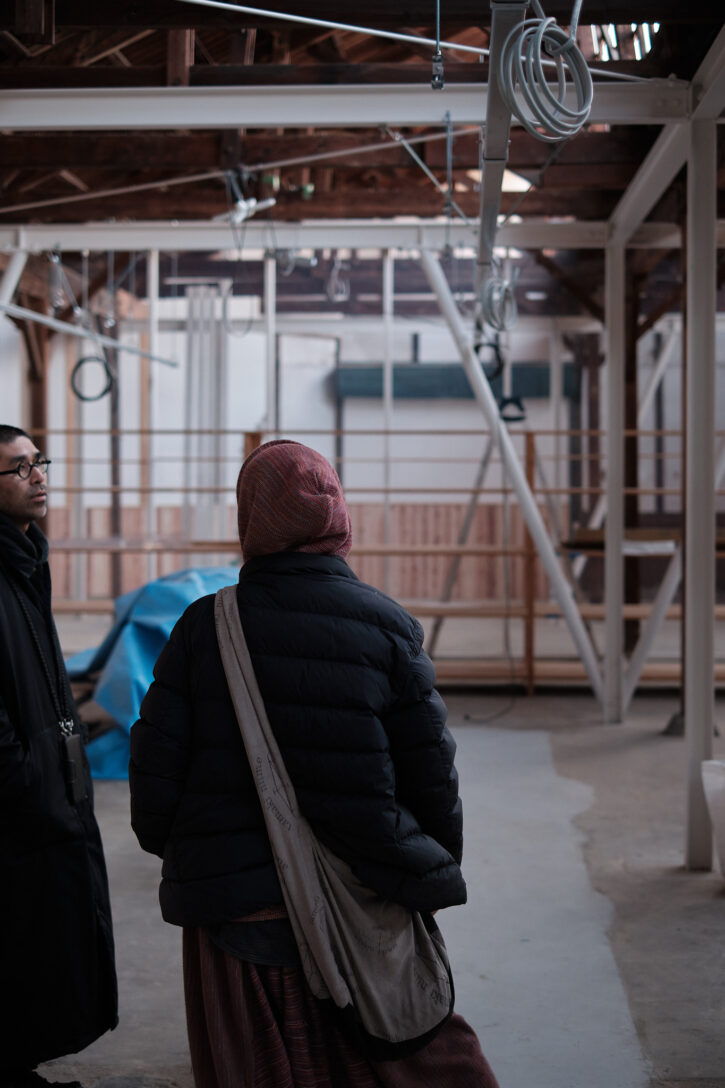
一昨年から、兵庫県西脇市に通い続けている。播州織をベースに一点ものの服をつくるブランド tamakiniime(玉木新雌) の拠点整備に関わっているからだ。
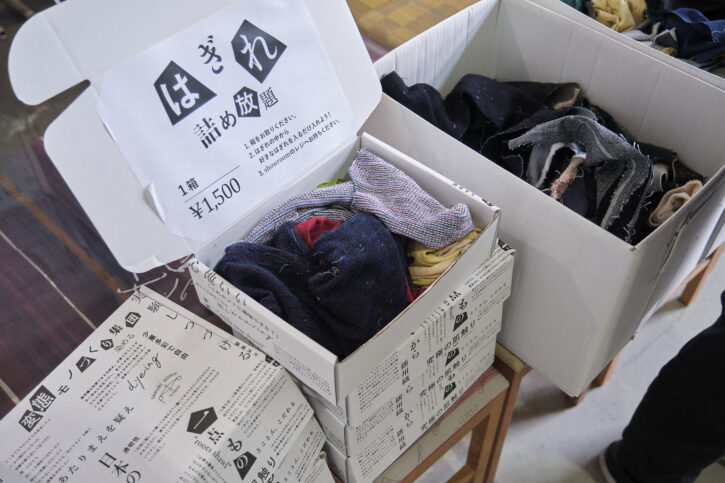
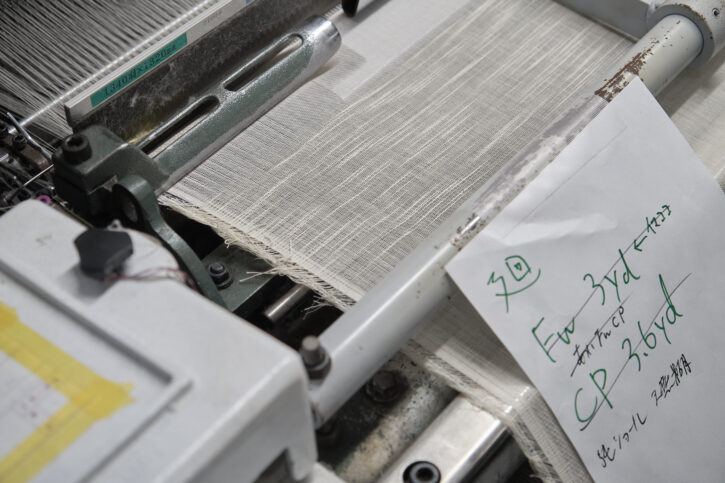
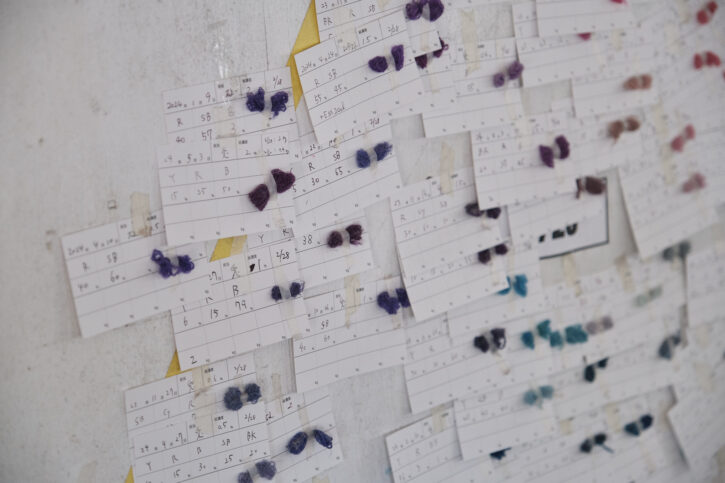
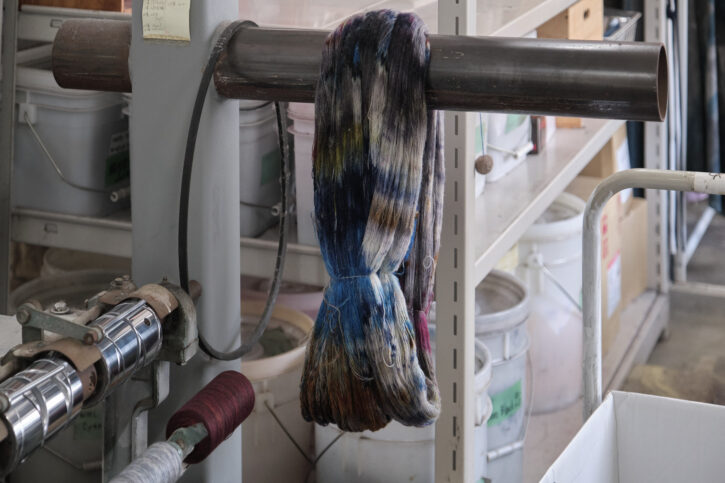
玉木さんたちは、ものづくりにおいて「一点もの」であることに強いこだわりを持っている。織物では通常、横糸をつなぐ際には同じ糸をつないで織っていく。しかしここでは、横糸をつなぐたびに異なる糸を入れていく。そうして織り上げられた生地は同じ構造を持ちながらも、どこを見ても同じ表情がない。その生地で服を仕立てれば、すべてが一点ものになる。言葉にすると簡単に聞こえるが、これは非常に非効率な方法でもある。それでもなお、そのやり方を貫くことで「一点もの」であることを実現している。もう一つ、彼女たちの活動で特徴的だと感じていることがある。それは、計画的に物事を進めながらも、その計画に固執しないという姿勢だ。
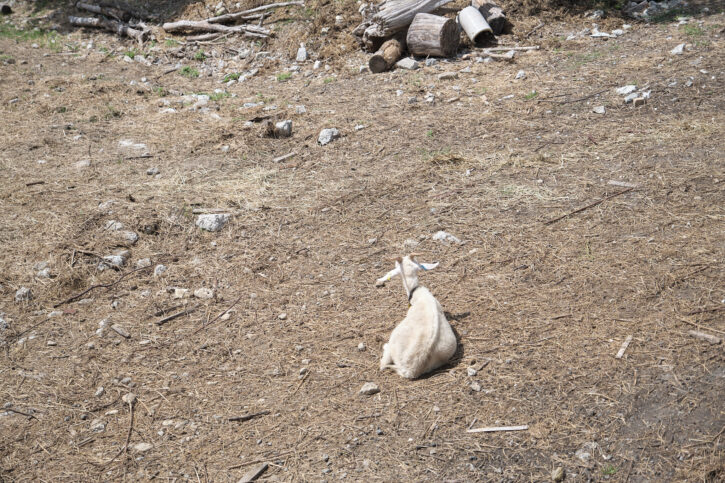
彼女たちの仕事は、どこか常に社会実験のようでもある。まず試してみる。そしてスタッフやお客さんからの反応を受け取り、その反応をもとにまた考えを更新していく。そうした試行錯誤が1日、2日という短いスパンで、彼女の頭の中で糸を組み替えるように続いている。その理由を不思議に思っていたが、話をする中で、それがとても自然な感覚なのだと気づいた。もともとこの世界には自然があり、人間や動物がいる。すべてが生き物である。石や土でさえ、同じものは一つとしてない。どれもが一点ものだったはずだ。その状態こそが、彼女にとっての自然なのだ。古くからあるその感覚を、現代のものづくりの中でどう読み替えるのか。その試みが、思考の中で繰り返されているのだろう。
ものづくりの世界は、産業革命以降、人口増加とともに資本主義経済の中で拡大してきた。その過程で求められてきたのは、一点ものではなく、同じ品質のものを大量に生産する仕組みだった。社会が拡大していく時代には、それが最適な方法だったのかもしれない。しかし今、世の中にはすでに多くのものが溢れている。その中で、ものづくりを続けていくためには、また「産地」という場所で何をつくり続けることができるのかを考えると、大量生産だけが唯一の答えではなくなってきている。
すでに世界の中で「ものづくりの産地」は少しずつ縮小している。人口が減り社会がシュリンクしていく中で、産地を守るためには強い事業者が残るしかないという考え方も現れている。日本政府が掲げる「100億円企業」という政策も、その一つの表れだろう。私はその考えに全面的に賛成するわけではないが、もしそれによって産地の技術や歴史が残るのであれば、それもまた一つの現実なのかもしれない。
ただ、西脇に来るたびに感じるのは、もう少し違う未来の姿だ。産業としては衰退していく部分もあるのかもしれない。しかしその一方で、産地に残った事業者の活動の中から蓄積された技術や知恵が外へと分かれ、再び分業化していく。そうした流れの中で、産業は縮小しながらも、新たな社会が生まれていくのではないだろうか。
西脇を訪れるたびに、そんな未来の気配を感じている。
—
For the past two years, I have been traveling regularly to Nishiwaki City in Hyogo Prefecture. I am involved in developing a new base for tamakiniime, a brand that creates one-of-a-kind clothing using Banshu-ori textiles.
One of the defining characteristics of their work is a strong commitment to uniqueness. In conventional weaving, the same weft thread is connected repeatedly. Here, however, different threads are introduced each time the weft is joined. As a result, the woven fabric shares the same structure but never the same expression. When garments are made from it, each piece becomes truly one of a kind.
Although this method is highly inefficient, they continue to pursue it with conviction.Another distinctive aspect of their practice is their attitude toward planning. While they do plan their work, they are never bound by those plans.
Their process resembles a continuous social experiment: they try something first, observe the reactions of staff and customers, and then revise their ideas accordingly. This cycle of experimentation and adjustment happens constantly.
Through conversations with Tamaki-san, I came to realize that this approach is rooted in a very natural perspective. In nature, nothing is truly identical. Humans, animals, stones, and soil—everything exists as something unique. In that sense, their approach to making things can be understood as a contemporary reinterpretation of this natural condition.
Since the Industrial Revolution, manufacturing has expanded through mass production, producing identical goods efficiently. In an era of growth, this was perhaps the optimal system. But today, when goods are already abundant, continuing manufacturing—especially within local production regions—requires different values.
Across the world, many production regions are gradually shrinking. Policies such as Japan’s “100-billion-yen companies” initiative suggest that only strong businesses may survive in order to sustain these regions. While I do not entirely agree with this approach, it may still represent one possible reality.
Yet every time I visit Nishiwaki, I sense another possibility. Even as industries decline, the knowledge and techniques accumulated by the remaining businesses may spread outward and reorganize into new forms of specialization. In this way, while industries may shrink, new forms of work—and perhaps even new forms of society—may emerge.
Each visit to Nishiwaki makes me feel that such a future might already be beginning to take shape.